Reduce Plastic Be Fantastic!
Young People Take Action Against Plastic Pollution Through International Youth Project
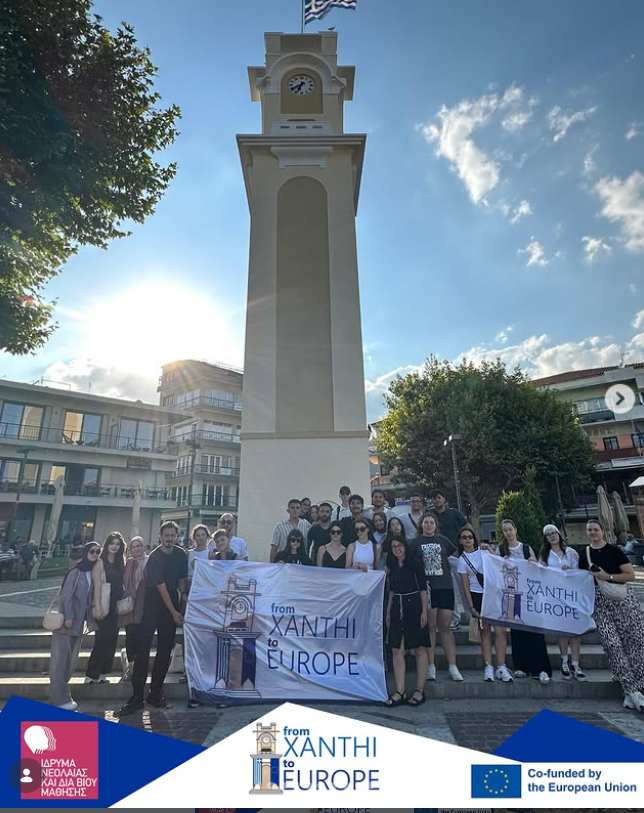
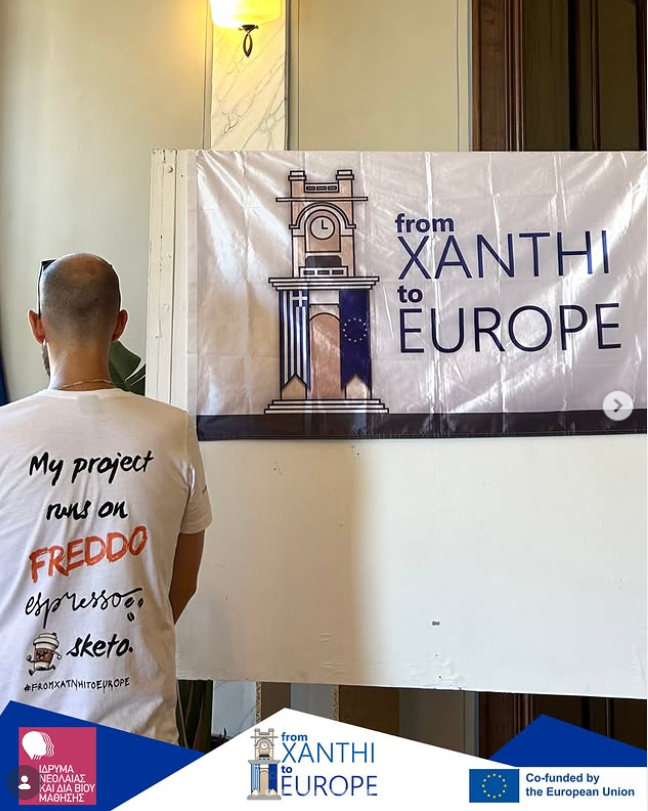
This project is funded by the European Union’s Erasmus+ program and implemented by the informal group From Xanthi to Europe.
Plastic pollution has become one of the most pressing environmental challenges of our time, affecting ecosystems, wildlife, and human health on a global scale. According to international studies, between 100 and 150 million tons of plastic waste currently float in the world’s oceans and seas, with millions of tons added every year. In response to this growing crisis, an international youth project was launched to empower young people to understand the problem, change daily habits, and take active roles in combating plastic pollution through youth work and community-based actions.
The main objective of the project is to strengthen young people’s environmental awareness and competencies by focusing on plastic waste reduction, reuse, and recycling. Through non-formal education methods, participants explore how individual consumption habits contribute to plastic pollution and learn practical ways to minimize plastic use in everyday life. Emphasis is placed on choosing products with minimal packaging, replacing disposable items with reusable alternatives such as glass and porcelain, and adopting sustainable consumption behaviors that can be shared within their communities.
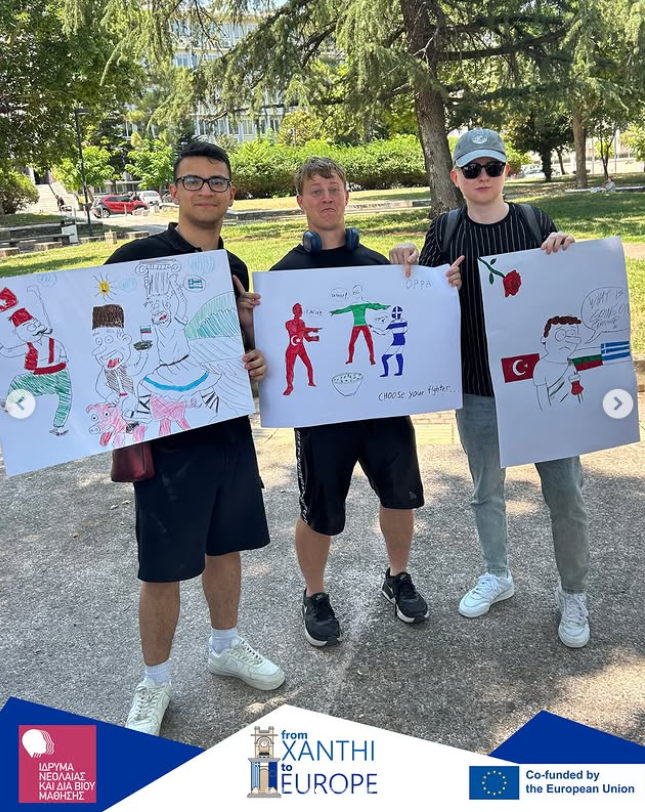
Throughout the project, young participants take part in a structured program combining workshops, expert sessions, creative activities, and field-based learning. Orientation sessions and icebreaker activities create a safe and inclusive learning environment, while Youthpass-focused reflections help participants connect their experiences to key competences. Country-based presentations allow participants to compare plastic waste management systems across partner countries, highlighting both challenges and good practices. Artistic workshops, drama activities, and creative reuse sessions enable participants to express the environmental impact of plastic waste in powerful and engaging ways.
The project also integrates strong community outreach components. Environmental clean-up activities, public exhibitions, graffiti-based awareness actions, and a local festival event are designed to involve local residents and amplify the project’s message beyond the participant group. Visits to recycling-related facilities and interactions with experts provide participants with concrete insights into what happens to plastic waste after disposal, strengthening their understanding of the full waste management cycle.
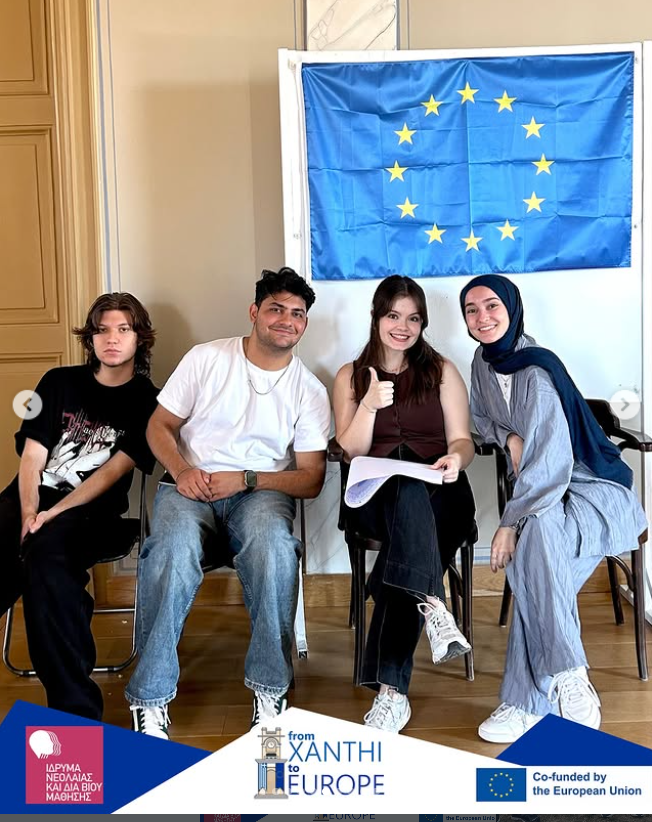
A key strength of the project is its inclusive approach. Young people from different backgrounds, including those facing social, economic, or health-related challenges, actively participate in all phases of the program. By working in international teams, participants develop intercultural communication skills, teamwork abilities, and a shared sense of responsibility toward environmental protection. The project encourages young people not only to raise awareness, but also to take initiative and become role models for sustainable lifestyles in their own local contexts.
As a result of the project, participants are expected to develop lasting awareness of the environmental and social impacts of plastic pollution and to translate this awareness into concrete action. By sharing their experiences through presentations, social media, and local dissemination activities, they contribute to spreading environmentally responsible habits among peers, youth workers, and local communities. The project aims to inspire long-term engagement, volunteer initiatives, and community-based actions that continue well beyond the project duration.
By the end of the project, participants had gained a deeper understanding of plastic pollution and its consequences, adopted more sustainable consumption habits, and actively shared their knowledge with their communities. Through creative actions, public events, and dissemination activities, they raised awareness among local people and youth workers, contributed to visible behavioral change, and took meaningful steps toward building a more environmentally conscious and responsible society.